
ivali@welltrusttech.com
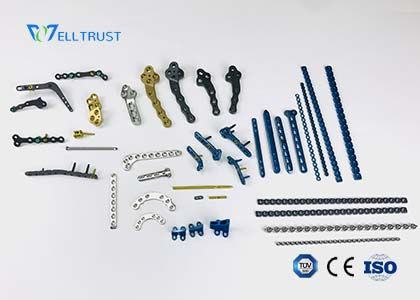
Veterinary surgery requires a variety of specialized instruments to support different procedures, from routine operations to complex orthopedic treatments. The selection of suitable veterinary surgical instruments helps veterinary professionals prepare for different surgical requirements, improve workflow organization and maintain consistent instrument management.
Depending on the procedure type, veterinary clinics and hospitals may require different categories of surgical tools, including general surgical instruments, orthopedic instruments, power equipment and procedure-specific instrument sets.
Veterinary surgical instruments are medical tools designed for surgical procedures involving animals. They include instruments used for tissue handling, cutting, grasping, suturing, bone preparation and implant placement.
Different procedures require different instrument configurations. For example, general soft tissue procedures may require scissors, forceps, retractors and needle holders, while orthopedic procedures may require specialized instruments such as bone drills, saws, reduction forceps, drill guides and implant fixation tools.
General surgical instruments are commonly used across various veterinary procedures. These instruments may include surgical scissors, forceps, needle holders, retractors and other supporting tools.
Instrument selection depends on factors such as procedure requirements, instrument design, size, material specifications and handling preferences. Veterinary clinics may organize commonly used instruments into procedure-specific kits for convenient preparation.
Orthopedic procedures require instruments designed for bone and joint-related operations. Veterinary orthopedic instruments may include bone holding forceps, bone cutters, drill guides, screwdrivers, plate benders and other fixation-related tools.
When performing fracture fixation or corrective orthopedic procedures, instruments should be selected according to the corresponding implant system and surgical requirements. Compatibility between implants, screws and instruments is an important consideration during product selection.
Powered instruments are commonly used in veterinary orthopedic procedures that require drilling or cutting functions. Veterinary surgical power tools may include bone drills, oscillating saws, reciprocating saws and related accessories.
When evaluating power tools, users may consider factors such as speed range, torque, battery specifications, attachment options and available accessories. Different procedures may require different configurations depending on the intended operation.
Veterinary instrument sets combine multiple surgical tools into an organized configuration for specific procedures. A set may include instruments selected for orthopedic surgery, general surgery, dental procedures or other veterinary applications.
The contents of an instrument set can vary depending on the product design. Before purchasing, buyers should review the included components, specifications and intended application of each set.
Orthopedic implant procedures require not only implants but also compatible instruments for preparation and placement. Veterinary orthopedic systems may include bone plates, screws, TPLO plates, TTA components and supporting surgical instruments.
For these procedures, commonly used tools may include drills, drill bits, depth gauges, screwdrivers and measuring instruments. Selecting instruments that match the implant system specifications helps ensure proper product compatibility.
When selecting veterinary surgical instruments, buyers may consider several factors:
Well Trust provides veterinary surgical instruments and related products for professional animal healthcare markets. The product range includes veterinary orthopedic instruments, surgical instrument sets, dental instruments, surgical power tools and implant-related instruments.
By offering different categories of veterinary surgical products, Well Trust supports distributors and veterinary professionals in selecting suitable instruments according to their product requirements.
Customers can contact Well Trust for detailed product information, specifications and available configurations of veterinary surgical instruments.
Common categories include general surgical instruments, orthopedic instruments, dental instruments, power tools and procedure-specific instrument sets.
Veterinary orthopedic procedures may require instruments such as bone drills, saws, forceps, drill guides, screwdrivers and other fixation-related tools.
Selection should be based on the intended procedure, included components, instrument specifications, compatibility and product documentation.
The availability of customization depends on the product type and manufacturer capabilities. Customers should confirm available options and requirements with the supplier.
Veterinary surgical instruments cover a wide range of tools designed for different animal healthcare procedures. Understanding the categories, functions and selection considerations can help veterinary professionals and distributors evaluate suitable products more efficiently. Well Trust provides various veterinary surgical products to support different application requirements and product sourcing needs.
Well Trust(Tianjin) Tech. Co.,Ltd,Established in 2005,is the professional veterinary medical devices supplier and exporter. Our main products include: surgical power tools, veterinary orthopedic implants, general surgical instrument, external fixator, sports medicine and other surgery equipment for Veterinary surgery...[ read more ]

